Planning flatbed hire in Oxford
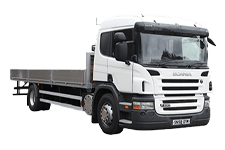
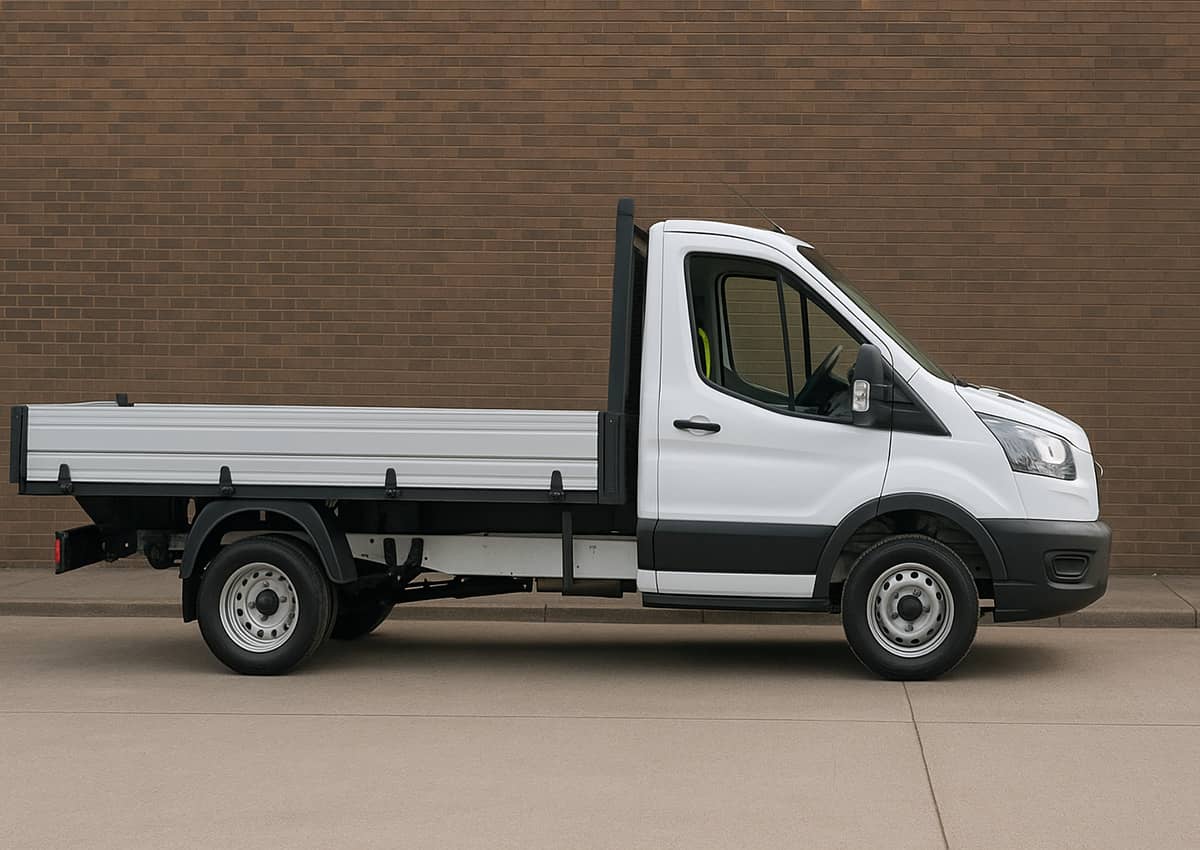
Hiring a dropside in Oxford usually starts with one awkward load and one awkward destination: timber for a terrace renovation, fencing for a garden, pallets for a shop fit or a machine moving between sites. An open deck with folding sides lets you load from the side as well as the rear and takes lengths that would never fit through a van door. The trade-off is exposure, so restraint, weather and overhang need more thought than in a box van.
This page is for householders, trades and commercial users planning a self-drive hire. It covers choosing between compact and larger dropsides, weight and licence checks, secure loading and unloading, and why the exact receiving address matters in central Oxford. Availability, prices and terms come from the supplier you book with, so treat every figure here as something to confirm for the vehicle actually allocated to you.
Know the registration and the drop address first
Before driving into the city centre, you need two things: the registration of the vehicle you will actually be given and the precise address where the load comes off. Oxford runs a pilot Zero Emission Zone, and most vehicles entering it pay a daily charge that depends on their emissions. Charging applies from 7am to 7pm, seven days a week, all year, so weekend deliveries within those hours are covered too.
The charge follows the individual vehicle, not the category, so a booking for a dropside tells you nothing on its own. Ask for the allocated registration once it is known and check it against the council's current charge information or vehicle checker before you set off. Never assume a hire vehicle is exempt, and do not rely on an old answer; confirm it for the day of travel.
Sources: Oxfordshire Council: ZEZ charges
Why the exact street segment matters
The pilot zone is set out street by street, and some entries cover only part of a road. New Road is included between Bonn Square and its junction with Castle Street, while Market Street is included only for 40 metres east of its junction with Cornmarket. A building further along the same street may sit outside that stretch, and an approach from another direction may or may not cross it.
Plot the whole route from collection to the door rather than relying on a postcode. Use the current pilot map, not a proposal drawing for a wider area, and read the signs on the day. If the address sits just outside a charged segment, a different permitted approach may avoid it; if it sits inside, build the charge and timing into the job before you quote or promise a delivery slot.
Paying the charge is not permission to stop or unload
A zone payment settles an emissions charge and nothing more. It does not give you the right to use a particular street, stop on it or unload there. Pedestrian areas, timed access, bus lanes and loading restrictions are separate rules, and a flatbed parked with its sides down can block a footway completely. Check the restrictions at your specific destination independently of the charge.
Ask the receiving business, college or site where vehicles may stand, at what times, and who will meet the load. HSE guidance favours agreeing loading arrangements in advance, on clear, level ground where the vehicle stands as stably as possible. If the only option is a busy kerb, consider a smaller vehicle, a quieter time or a different drop point.
Sources: Oxfordshire Council: ZEZ charges, HSE: safe loading and unloading
Choosing the right dropside for the load
A 3 metre dropside is the usual starting point for fencing, boards, bagged materials and small plant. It is easier to manage in narrow residential streets and tight yards, and is normally within car-licence entitlement. The condition is capacity: representative payloads for this class are around 1,100 kg, which a couple of pallets of blocks or wet sand can exceed quickly, so confirm the figure for the actual vehicle.
A 4 metre dropside adds deck length for long timber, pipe and landscaping materials, at the cost of a longer footprint to park and turn. A tail-lift dropside helps with pallets or wheeled goods where there is no dock, provided the lift rating, platform size and ground at the destination suit the load. A 7.5 tonne dropside takes multiple pallets and scaffold lengths when the route, driver and unloading space can accommodate a lorry.
Sources: Nationwide Hire UK: 3 metre dropside, Nationwide Hire UK: 4 metre dropside, Nationwide Hire UK: dropside with tail lift, Nationwide Hire UK: 7.5 tonne dropside
Gross weight, payload and licence are separate checks
Maximum authorised mass, also called gross vehicle weight, is the most the loaded vehicle may weigh, and it is normally shown on the plate or sticker. Payload is what remains after the vehicle itself, fuel, driver, passengers, pallets and packaging. A tail lift's rating is different again: it limits what the platform can raise, not what the deck can carry.
Licence entitlement follows maximum authorised mass. Category B generally covers vehicles up to 3.5 tonnes, while C1 is needed above 3.5 tonnes and up to 7.5 tonnes. Check each driver's current licence against the plate of the allocated vehicle, and expect the provider to apply its own age or experience conditions. On multi-drop runs, removing part of a load can shift weight between axles, so redistribute before moving on and use a weighbridge if unsure.
Sources: GOV.UK: vehicle weights explained, DVSA: HGV overloading basics, GOV.UK: driving licence categories
Restraining an open load and long lengths
Open access is the benefit of a dropside; the condition is that only the restraint you fit keeps the load in place. DVSA guidance says a load must not rely on its own weight or friction, and the securing system should suit both the load and the vehicle. Inspect the deck, sides, headboard and anchorage points before loading, and attach rated straps to proper anchor points, never to rope hooks meant for sheeting.
Long timber, pipe or scaffold tube may project beyond the body. Measure the overhang before travelling, because marking and, for larger projections, advance notice depend on the actual measurement. Ask whether restraint equipment comes with the hire and what it is rated for; do not assume straps, chocks or anti-slip matting are included.
Sources: DVSA: securing loads on HGVs and goods vehicles, DVSA: load securing basics, DVSA: ways to secure a load, DVSA and DfT: overhanging loads on vehicles
Side loading and unloading without surprises
Folding sides let a forklift or a small team work along the full length of the deck, which is a real advantage on sites and in yards. That benefit needs room: space beside the vehicle for sides to drop, for people to stand clear and for forks or trolleys to move without stepping into traffic. On a city street, that space is often missing.
Before releasing any restraint, check that nothing has shifted in transit and that nothing can fall when a side is lowered. Lower sides in a controlled way, work from the ground where you can rather than climbing on the deck, and keep the public out of the working area. If the load is heavy and there is no forklift at the destination, arrange lifting equipment or extra help beforehand instead of improvising at the kerb.
Sources: HSE: safe loading and unloading, DVSA: securing loads on HGVs and goods vehicles
Collection, handover and hire paperwork
At collection, walk round the vehicle with the supplier's staff and record existing damage on the paperwork or in dated photographs. Check the plate for maximum authorised mass, the condition of sides, hinges and catches, any tail-lift controls and the fuel type. Confirm who is named to drive, what insurance and excess apply, and what happens if you return late or short of fuel.
Suppliers differ on deposits, mileage, permitted use and who pays charges or penalties incurred during the hire, including zone charges. Read the booking documents you are actually given rather than general descriptions, and ask for anything unclear to be confirmed in writing before you drive away.
Sources: Third-party reference: Nationwide Hire UK terms and conditions